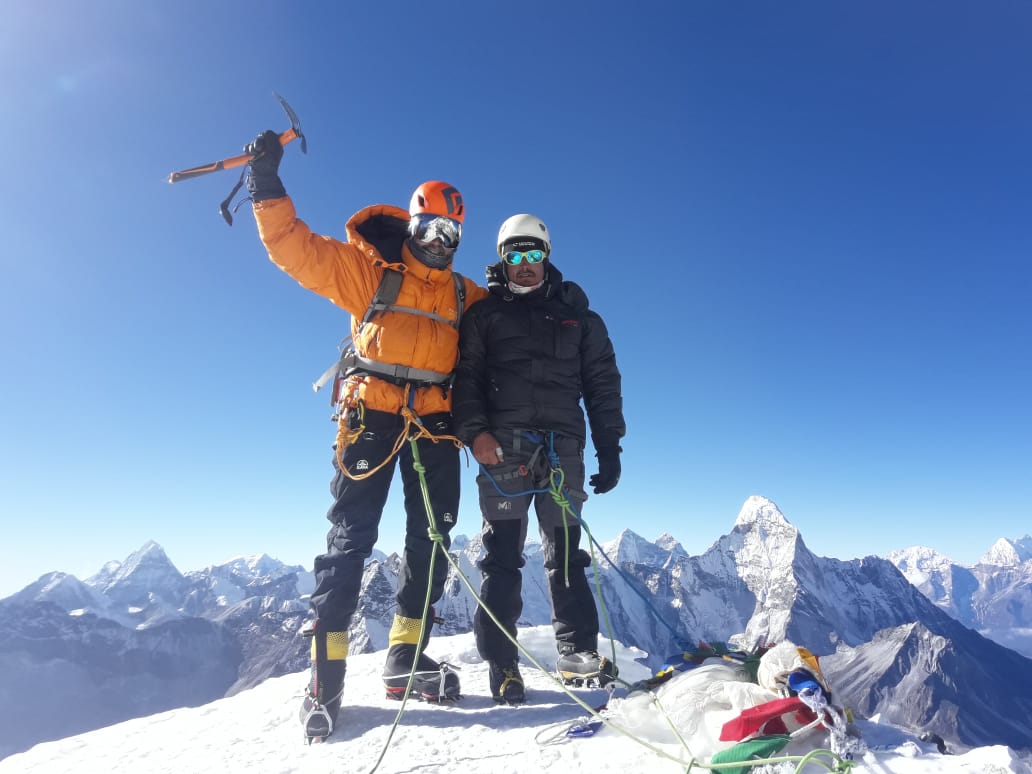
Island Peak Climbing is rightly the most important destinations in the Everest region. This Peak climbing does not only reach the summit of the magnificent top. It also, experience trekking in the most coveted Everest base camp. Inside the Imja Tse valley near to Dingboche, island peak is a popular choice among novice climbers. Who wish to begin their mountaineering journey by summiting such a beauty.
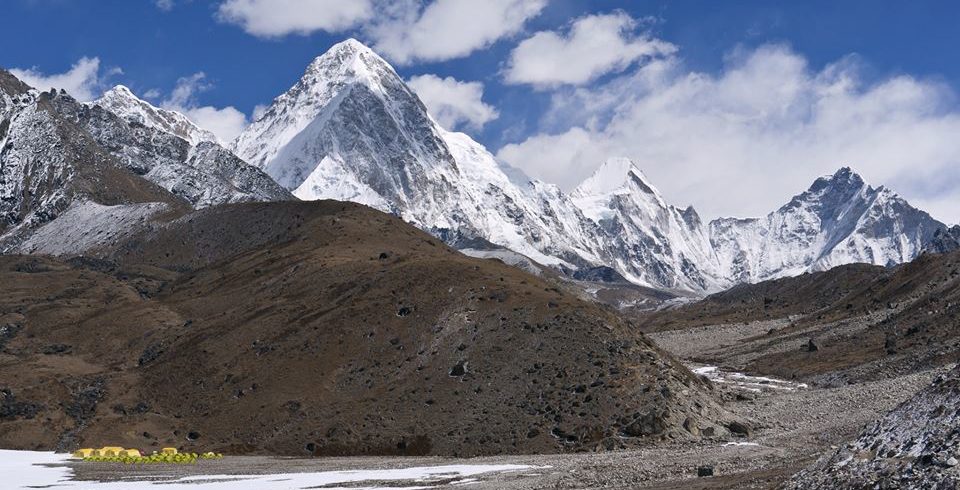
Everest Island Peak climbing has an impressive panoramic view. The highly glaciated west face that rises from the Lhotse Sar Glacier near the IMZA Lake which is a bit tough. This expedition is a superb entry into Everest region climbing. Island climbing in Everest is mostly non-technical. However, some basic snow climbing skills should require. These skills will be taught during climbing by Sherpa climber Guide.
Journey to Everest Island Peak
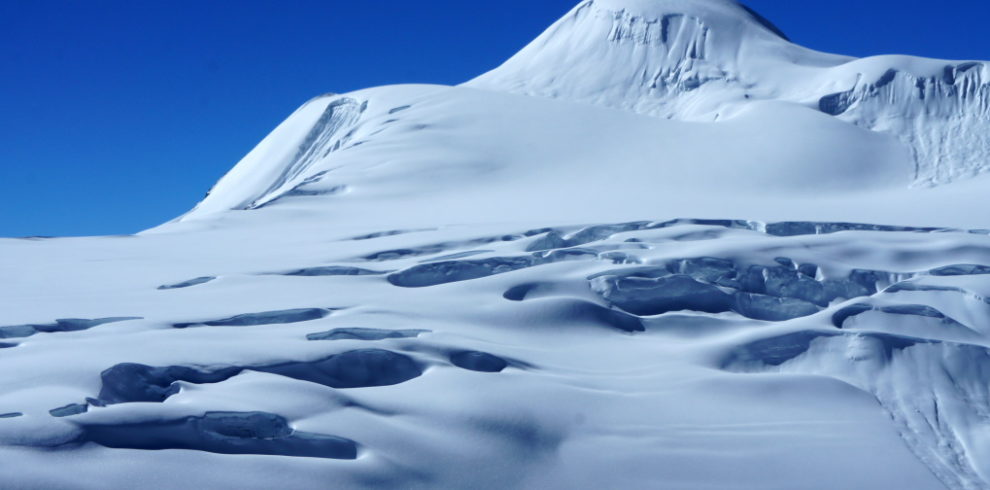
This will be the most physically demanding challenge but not too technical. For a few years, the glacier traverse has become much tricky due to some deep crevasses that have opened up. It needs to be crossed on ladders. Finally, you will have practiced ladder crossings before your ascent, protected by ropes. But this is still nervous as the crevasses are deep.
The trip embarking on a flight into the village of Lukla Airport, the entranceway to the Khumbu region. The extension of this ridge descending through southwest is the part of the usual route of ascent and leads to the South Summit.
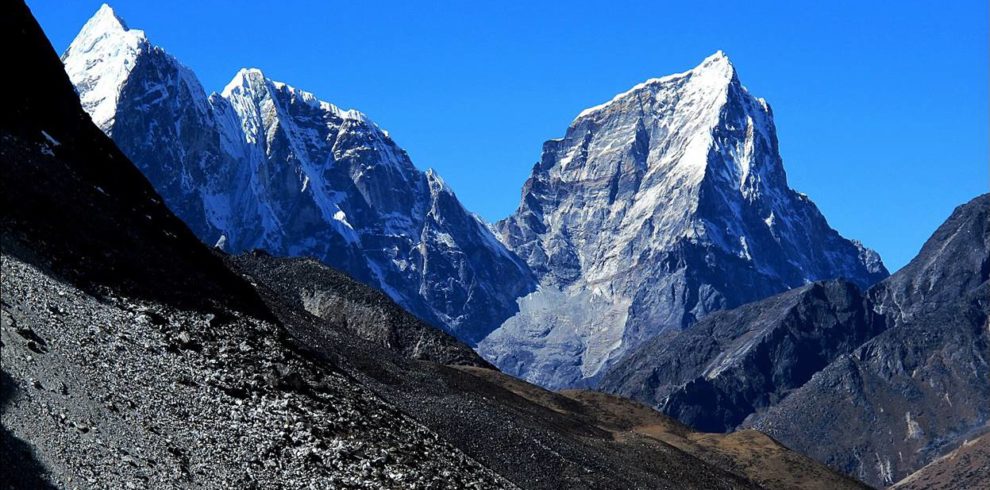
Imja Tse provides an enjoyable climb but also provides some of the most spectacular of the Himalayas range. From the summit view of giant mountains, Nuptse (7,879m), Lhotse (8,501m), Lhotse Middle Peak (8,410m) and Lhotse Shar (8,383m). The views of Mt, Makalu (8475m) in the east, Baruntse and Ama Dablam in the south add more charm for peak climbing.
We have lots of Everest Valley combine 2 different peak itinerary. We can do both Island peak and Lobuche peak together within 24 days. Everest hiker has various Island peak climbing reviews regarding climbing in Everest Valley.
<strong>Highlights and technical part of Island Peak</strong>
Island peak climbing, you will get to experience altitude firsthand. Also, we do provide you appreciate the inner workings of an expedition. Our <strong>Island peak itinerary</strong> provides for a three day climbing time to attempt the Island peak. The first camp after Chukhung you will receive training from the guide.
The second day you will move to the High Camp to prepare for your final summit. It depends on the weather if it is poor. We have to stay another day at this camp and wait until the weather to clear. The walk up to high camp is relatively straight. And you will arrive in camp just nearby lunch.
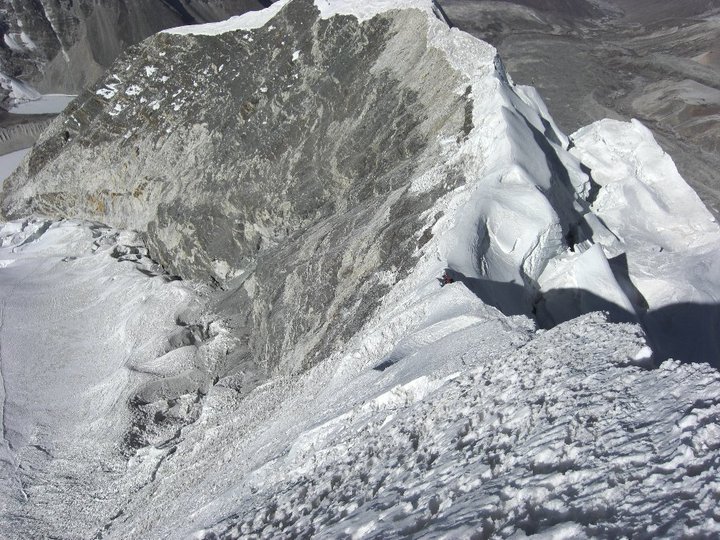
From high camp, then ascent towards the summit becomes steeper and challenging. Initially, this involves some of the steep switchbacks and scrambling. Moreover, before you reach the rock "crampon point" at the edge of glaciers.
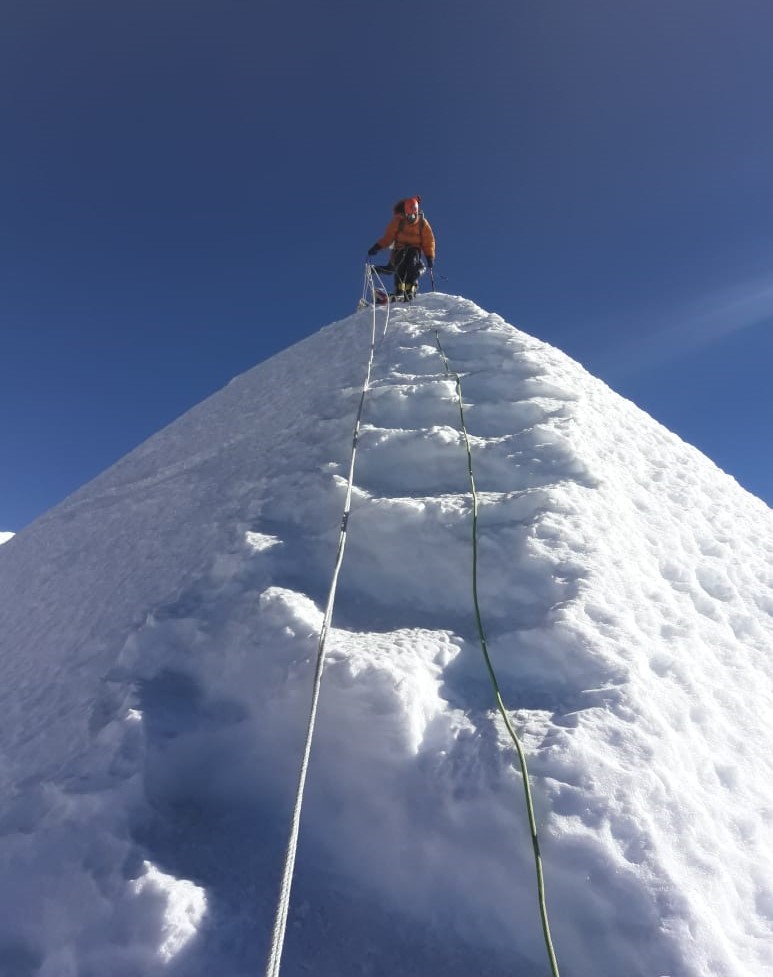
Here is the essential technical part for climbers. That’s were faced with a crampon glacier crossing followed by a steep ascent of a headwall of about 120m more. With a fixed rope set and a jumar.
This will be the most physically demanding challenge but not too technical. For a few years, the glacier traverse has become much tricky due to some deep crevasses have opened up need to be crossed on ladders. Finally, you will have practiced ladder crossings before your ascent, protected by ropes. But this is still nervous as the crevasses are deep.
What's included in the cost?
- Airport pickups and drops
- Accommodation in 3 nights 3-star hotel in Kathmandu B/B basis
- Climbing peak permit & other necessary permits (National Park Permit, TIMS and Climbing Permit),
- A professional English speaking trained trekking guide
- Experiences Sherpa climbing guide
- Daily wages, insurance, cloth, food, the shelter of Guide and porters,
- Both way Internal Flight Tickets (Kathmandu - Lukla - Kathmandu)
- Tea House accommodation during the trek.
- Tent/camping accommodation during the climbing period
- All meals (Breakfast, Lunch & Dinner) during trek and climb.
- Complete camping equipment.
- Down Jacket and Sleeping bag (should be returned after completion of the trip)
- Duffel bag to keep your things (should be returned after completion of the trip)
- Good quality tents and kitchen equipment for climbing
- Farewell dinner after a finished trek
- First Aid Medical Kit box
- Trekking Map for a trek
- Rescue arrangement only (must cover by your travel and rescue insurance).
- All local and governmental taxes
Cost doesn't include
- International airfare
- City sights entrance fees during Kathmandu visit.
- Bar bills & personal expenses.
- Lunch and Dinner in Kathmandu
- Travel Insurance
- Emergency rescue charges if necessary.
- Climbing bonus for Sherpa climbers after summit take.
- Extra hot shower, battery re-charge fee, snacks, etc.
- Personal clothing & gears
- Personal gear for climbing but rent available at Chakung.
- Tips to guide and porter.
- Cost raised by cancellation, weather, political unrest, the illness which are not under our control
- The item that not included in (Included section)
<strong>Island peak climbing major Equipment</strong>
Descending device: Descending or belay device
Ascending device: Ascending device or Jumar
Climbing Harness: Standard climbing harness is necessary. Petzl and Black Diamond excellent standard climbing harnesses
Crampons: C2 crampons are sure that fit you’re climbing plastic boots and Grivel is a leading brand.
Climbing Boots: We must need High altitude, Insulated stiff-soled climbing boots (B3). Here, Scarpa and La Sportiva high-quality climbing boots.
Climbing Helmet: Black Diamond or Petzl quality climbing helmets. Make sure your warm beanie fits under your helmet comfortably fit it otherwise it’s not right.
Ice ax: Be sure choose best comfortable one with a wrist strap (suitable for climbing)
Carabineers: 2 x lockable carabineers more 2 x non-locking carabineers that are fit one.
Gloves: A combination of silk liner glove or similar we can found in many brands. Warm insulated fingered gloves with safety straps. It allows ample dexterity and grip for use with a jumper or unlocks/lock carabineers. And over mittens with safety straps that should be fit over your insulated fingered gloves to provide additional wind protection
Tape sling: 220cm tape sling (open) or 2 x 120 cm tape sling (closed) – UIAA tested
Prussik loop: Good quality prusik loop
Daypack (25–35 liters), Sleeping bag comfortable too – 20 °c (depending upon the season, weather forecast and personal preference) and it is possible to rent it from Kathmandu which costs 2$ per day.
Waterproof (optional) hiking boots, Camp shoes (down booties or running shoes) LED headlamp with the extra battery. Trekking pole Camelback water bladder or sipper (water bottle).
Chocolates, Energy bar, ORS. Down jacket cover comfortable too -15 • c, you can hire or buy in Kathmandu. And the cost will be cheap for you to compare your country and another standard jacket.
T-shirt, goggles (UV protected) and 5 to 6 pairs of thermal pants and cap, Waterproof gloves, woolen gloves, and socks. Daypack cover, Sunscreen, moisturizer, lip balm and sanitizer handy.
Personal Climbing gears, Ice axes, crampons, Harness, Helmet, etc.
To climb island peak in the Everest region. We suggest you bring the standard kit you need for trekking in Nepal. For peak climbing, you will also need some specialist items of mountaineering equipment. If you do not want to invest in particular types of equipment for sake of climbing, these items they can be hired in Chukhung. Better quality and more choices are available for hire in Nepal, but hiring there is quite expensive but cheaper than buying for once used. All other climbing equipment (ropes etc) will be provided during climbing.
• Descending device: Descending or belay device
• Ascending device: Ascending device or Jumar
• Climbing Harness: Standard climbing harness is necessary. Petzl and Black Diamond make good quality climbing harnesses
• Crampons: C2 crampons that fit you’re climbing boots and Grivel is a leading brand.
• Climbing Boots: We need High altitude, Insulated stiff-soled climbing boots (B3). Scarpa and La Sportiva make good climbing boots.
• Climbing Helmet: Black Diamond or Petzl make good quality climbing helmets we need. Make sure your warm beanie fits under your helmet comfortably fit it.
• Ice axe: Choose best comfortable one with a wrist strap (suitable for climbing)
• Carabiners
• : 2 x lockable carabiners and 2 x non-locking carabiners that’s fit one.
• Gloves: A combination of silk liner glove or similar we can found in many brand. Warm insulated fingered gloves with safety straps that allow ample dexterity and grip for use with a jumar or unlock/lock carabiners. And over mittens with safety straps that fit over your insulated fingered gloves to provide additional wind protection
• Tape sling: 220cm tape sling (open) or 2 x 120 cm tape sling (closed) – UIAA tested
• Prussik loop: Good quality prussik loop
For the Khumbu region trek or climbing, you can trek anytime between September and the end of May. Given the height of Island Peak and the challenging conditions, we work with an expert team as well last week of Nov and until mid-early march would be hard to climb. Ultimately lousy weather on the Everest base camp trek might be uncomfortable but on the Island Peak, it could be hazardous.
During these periods the temperatures are pleasant as well as dry and sunny. Most of this day the strong winds that accompany the monsoon die down and there are long periods of relative calm, ideal for climbing.
The first part of island peak the ascent is physically demanding because you are trekking up 5000m. This part though is non-technical but still best. By the time when you reach the glacier field need to rope-up and wear crampons. Most of this section there is a risk of falling into snow-covered crevasses. The condition of there is now very variable. Some years there just be a frozen snow, but sometimes the snow has blown off leaving the hard jagged ice.
In this condition, our island guide will lay fixed lines over the whole of this section, with a jumar and ice axe. The climbing is still not overly technical but moreover its might good experiences. However, to reflect the overall increased difficulty of the climb in the changing period. Everest hiker now provides 1 guide/climbing Sherpa for every two people.
Mountains and glaciers are tow dynamic places, and changes in the landscape are part and parcel of the lifetime experience.
After the summiting peak, we descend to Island Peak base camp and the rest of the trek follows the classic Everest base camp route back to Lukla.
From Chukhung, our itinerary provides for a three day climbing time to attempt the island peak. The first camp after Chukhung you will receive training by our Sherpa guide. All the special techniques you require and have time to practice. All these until you are proficient.
The second day you will move to the High Camp to prepare for your summit attempt. It depend on the weather, if it is poor we have to stay another day at this camp and wait until the weather to clear. The walk up to high camp is relatively straight and you should arrive in camp just nearby lunch.
From high camp, the ascent towards summit becomes steeper and challenging. Initially this involves some of steep switch backs and scrambling over rock before you reach the "crampon point" at the edge of glaciers.
Here is the basic technical part for climbers that’s were faced with a crampon glacier crossing followed by a steep ascent of a headwall of about 120m more. With a fixed of rope set and a jumar, this will be the most physically demanding challenge but not too technical.
Since few years, the glacier traverse has become much tougher due to number of deep crevasses have opened up need to be crossed on ladders.
Finally, will have practiced ladder crossings before your ascent, protected by ropes, but this is still a nervous as the crevasses are deep.
Usually, it is possible to climb Island peak with in10 days by leaving out the trek. But as a Everest hiker do not offer this as the risks of altitude sickness are too high. The final ascent onto the main ridge is very physically demanding. And you need to be fit well acclimatized in order to able cope harsh with this comfortably.
Our standard itinerary would be 18 days trekking. Our Everest trek itinerary ensures you are well acclimatized. Before you start the climb island and also allows you a spare day in case of bad weather.
Island peak climbing is relatively easy by technical standards. Mainly we have to be a fit physically and mentally.
You will be on a rope near the top, and depending on conditions, that’s will be already fit for all climber for a busy season. You will need crampons and an ice axe, and you need to learn how to use them. Sherpa guided trips will teach you how to properly use this equipment, before the climb. Another biggest challenge is dealing with the altitude and own health.
We recommend you try to climb it in both fall and spring because the weather is generally more stable.
You don’t need previous experience as most Everest hiker will usually offer you some sort of training for a couple of days while acclimatizing in nearby Chukung around. Our Everest hiker team will let you (how to walk with crampons, how to use an ice ax and a jumar). For the island climbing the most popular season in October when hundreds of people climb it. That also depends on when the snow conditions and weather are best. In late November, there are fewer people and the conditions are still good but the rope and other thing need to fix by Sherpa. We don’t suggest you in December can be damn freezing and the 60°. Island climb before the final ridge can be plain ice (then it becomes much more technical. Especially if the fixed ropes have been removed).
<img class=" wp-image-421" src="http://everesthiker.com/wp-content/uploads/2018/11/Everest-three-pass-trek-map.jpg" alt="Island peak climbing map" width="449" height="467" />